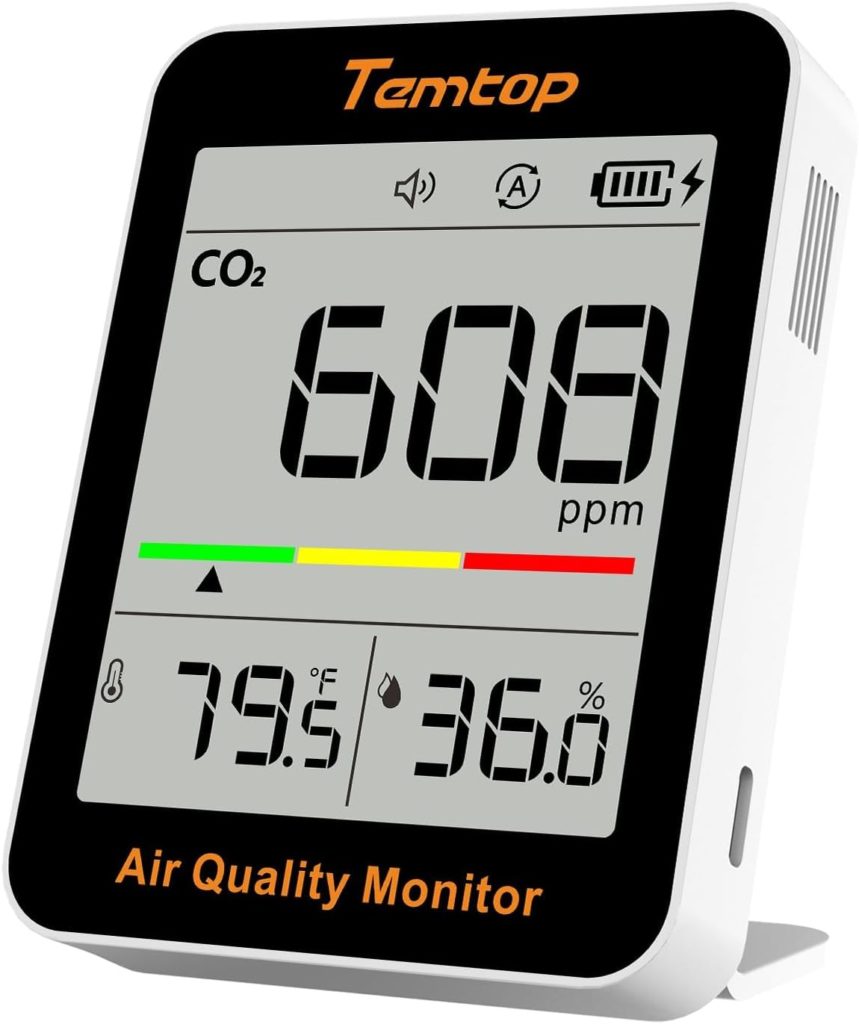
Somerset Council’s Health and Safety Service has issued new guidance (Info Sheet 80) to help schools manage Carbon Dioxide (CO₂) levels and improve ventilation. High CO₂ levels can lead to headaches, fatigue, reduced concentration, and increased risk of airborne virus transmission. Good ventilation is essential for alertness, learning, and wellbeing.
Key Points from the Guidance:
- All schools should monitor CO₂ levels in teaching and communal spaces using CO₂ monitors, aiming for levels below 800 ppm for optimal air quality.
- Regular checks and maintenance of ventilation systems, windows, and airbricks are required to ensure fresh air flow.
- If CO₂ levels remain high despite interventions, schools should escalate the issue to Education Property or consider temporary relocation of classes.
- Air cleaning and filtration units can be used where ventilation cannot be improved, but these are not a substitute for fresh air.
- Premises managers should keep records of risk assessments, CO₂ readings, occupancy numbers, ventilation methods, and maintenance checks.
- The guidance includes practical steps for improving ventilation, balancing thermal comfort, and links to further resources and posters.
Action Required for Premises Managers:
- Review the full Info Sheet 80 available in the Guidance for Schools on the Somerset Council H&S website.
- Ensure all relevant staff are briefed on these requirements and understand their responsibilities.
- Begin or continue regular monitoring of CO₂ levels and implement recommended actions as needed.