Schools have a duty to ensure that pupils with medical conditions are properly supported so they can access education safely and confidently. Having a clear, up‑to‑date Medical Conditions Policy is a key part of meeting this responsibility and provides reassurance to staff, parents and carers.
A robust policy helps schools set out how medical needs are identified, managed and reviewed, and how staff are supported to respond appropriately. It should cover arrangements for day‑to‑day management, emergencies, staff training, record keeping and communication with parents and health professionals.
There is currently no template Medical Conditions Policy issued by the Health and Safety Service. Schools are therefore encouraged to adopt or adapt the Department for Education model policy, which reflects statutory guidance.
Medical conditions policies should align with other school procedures, including:
- administration of medication, including non‑prescription or over‑the‑counter medicines
- individual healthcare plans where required
- accident reporting and record keeping
- staff training and awareness
Guidance previously issued to schools on the use of non‑prescription or over‑the‑counter medication remains relevant and should be read alongside your Medical Conditions Policy. In particular, schools should be clear about when medication may or may not be administered, parental consent arrangements, and the importance of accurate recording.
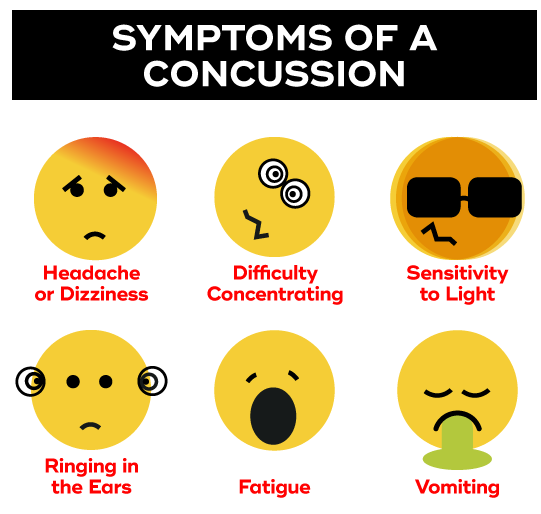
Managing head injuries and bump notifications
Schools often use stickers, forms or wristbands to notify parents and carers when a pupil has sustained a bump to the head. While there is no prescribed method, it is important that whatever system is used is consistent, clear and understood by staff and parents. When considering your approach, schools should ensure that:
- all head injuries are assessed promptly and appropriately
- parents and carers are informed as soon as possible where there are any concerns
- records are kept of head injuries and actions taken
- staff know when to escalate concerns and seek medical advice
Visual indicators such as stickers or wristbands can be helpful as a prompt, but they should not replace proper assessment, recording or communication. Schools should also consider how information is shared at the end of the school day, particularly where different adults may collect a child.

Reviewing your arrangements
Governing bodies and senior leaders should periodically review the Medical Conditions Policy and related procedures to ensure they remain effective and reflect current guidance. This includes checking that staff know where to find the policy, understand their role, and feel confident in managing medical needs and head injuries.