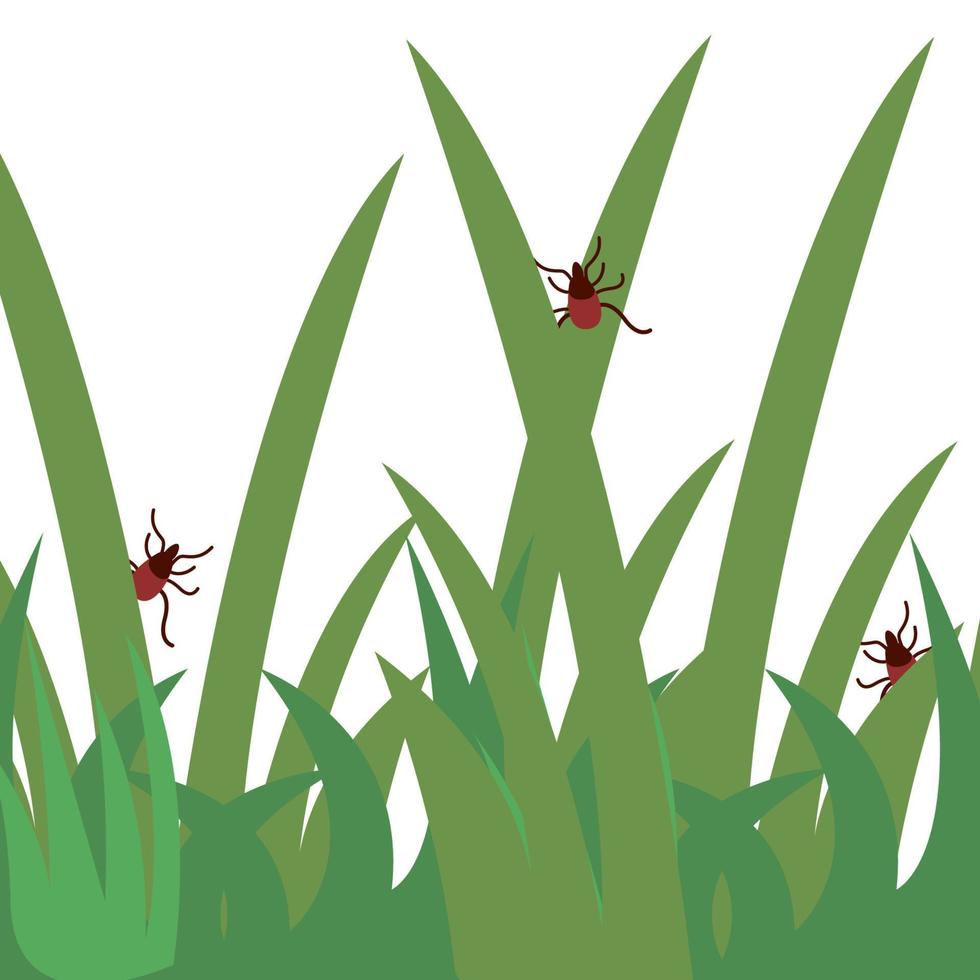
As part of our ongoing commitment to supporting schools with health and safety compliance, the Health and Safety Service has published a new guidance document, Tick Awareness and Lyme Disease – Info Sheet 90. The guidance provides practical advice to help schools reduce the risk of tick bites during outdoor learning, forest school activities, educational visits and school trips, and explains what to do if a pupil or member of staff is bitten by a tick.
Why this guidance is important
Ticks are found across Somerset, particularly in woodland, heathland, moorland, long grass and grazing land. While most tick bites do not cause illness, some ticks can carry infections including Lyme disease. Early recognition and treatment are important, making awareness and prevention key.
Key points for schools
- Include tick awareness within outdoor learning, forest school, residential visit and educational visit risk assessments.
- Consider whether activities take place in environments where ticks are commonly found, such as woodland, long grass, heathland or livestock areas.
- Encourage appropriate clothing for higher-risk activities, including long trousers, long sleeves and closed footwear.
- Remind pupils, staff and families to check skin and clothing after outdoor activities.
- Ensure first aid kits used for outdoor activities include a tick removal tool or fine-tipped tweezers.
- Make staff aware of the signs and symptoms of Lyme disease and when medical advice should be sought.
Resources included
The information sheet contains:
- Tick bite prevention advice for schools.
- Guidance on safe tick removal.
- Information on recognising Lyme disease symptoms.
- An outdoor activity checklist for staff.
- A pupil-friendly tick awareness poster.
- Template wording that schools can use in newsletters or communications to parents and carers.
- Frequently asked questions for school staff.
Action for schools
Schools are encouraged to review the new guidance and consider how tick awareness can be incorporated into existing arrangements for outdoor learning, forest school provision, educational visits and residential activities. Staff leading outdoor activities should be familiar with the guidance and local risk assessments.