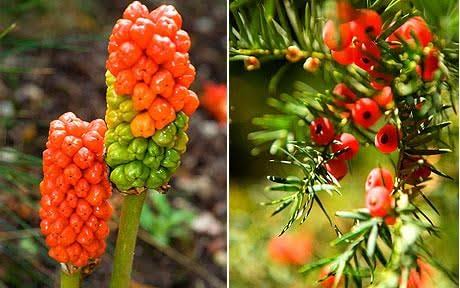
The Health and Safety Service has published new guidance to help schools identify and manage the risks associated with poisonous plants commonly found on school grounds, woodland areas and Forest School sites.
The guidance promotes a proportionate approach, recognising that many poisonous plants, including ivy, foxglove and bluebells, are common in school environments and do not automatically require removal. In most cases, risks can be managed effectively through supervision, routine site checks and sensible access controls.
Key actions for schools include:
- Include identified poisonous plants within relevant site and activity risk assessments.
- Carry out regular grounds inspections, particularly during spring and summer.
- Discourage children from picking, tasting or handling plants.
- Provide appropriate supervision in outdoor learning and Forest School environments.
- Seek specialist advice where a plant cannot be confidently identified.
- Restrict access and obtain specialist support if highly toxic plants are found.
The guidance includes information on several plants that may be encountered on or near school sites, including poison hemlock, yew, deadly nightshade, monkshood (wolfsbane), foxglove, lords and ladies, laburnum and bluebells. Particular attention is drawn to poison hemlock, which is extremely toxic if ingested and should only be removed by competent contractors.
Schools are reminded that any incidents, suspected exposure, ingestion, or near misses involving poisonous plants should be recorded on EEC.