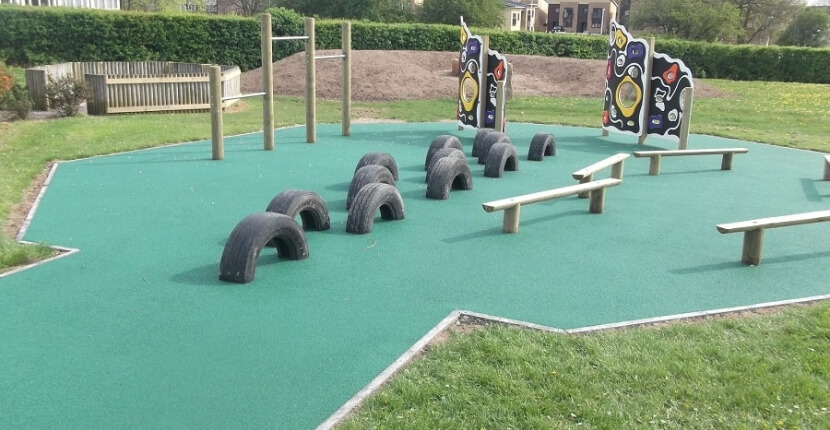
Schools must take reasonably practicable steps to manage playground risks whilst enabling pupils to enjoy their play environment.
A safe playground does not mean removing every possible risk. Schools should take reasonably practicable steps to identify and control significant hazards whilst allowing children to enjoy active and challenging play. Playground Safety Guidance specifically advises schools to focus on controlling real risks rather than removing all challenge.
📝 Start with your risk assessment
Schools should have suitable risk assessments covering their playground and play equipment. Inspections and checks should be planned, recorded and reviewed, with risk assessments reviewed following incidents or where circumstances change.
👀 Inspect playgrounds regularly
A planned inspection regime should include:
- Annual formal inspection carried out by a qualified inspector, with a written report identifying the condition of equipment and any required actions.
- Termly formal visual inspection carried out by a trained person using an appropriate checklist.
- Regular school checks, with high-use areas checked daily and low-use areas weekly.
- General grounds checks to ensure the wider area remains tidy, hazard-free and appropriately maintained.
SC Grounds and Landscaping is widely used by schools for annual and termly inspections. Contact grounds@somerset.gov.uk for further information.
High-use areas should be checked daily, while low-use areas should be checked weekly. Schools should increase the frequency of checks where local circumstances indicate this is necessary.
🛝 Check the equipment and the area around it
Routine checks should consider:
- loose, broken or missing components;
- sharp edges or protruding parts;
- entrapment gaps;
- damaged or worn safety surfacing;
- insecure fencing and gates;
- vandalism or debris;
- trip hazards;
- damaged climbing equipment, ropes, connectors and balance beams; and
- paths and access routes.
Where equipment is defective, remove it from use immediately or securely cordon it off until the defect has been addressed. Manufacturer guidance should be followed when arranging servicing or repairs.
🌧 Don’t forget the weather
Playground conditions can change quickly, so checks should not focus solely on play equipment.
Look out for:
- Ice and frost
- wet or slippery leaves;
- standing water and localised flooding;
- blocked drainage;
- overflowing gutters and downpipes; and
- mud, algae and other slippery surfaces.
Seasonal conditions should form part of routine playground management. The Playground Guidance also recommends ensuring grit bins are stocked before winter and checking drainage following heavy rainfall.
👩🏫 Good supervision matters
Well-maintained equipment does not remove the need for appropriate supervision.
Schools should:
- provide supervision appropriate to children’s age and the risks involved;
- establish clear play rules and communicate them regularly; and
- ensure staff know how to respond to injuries and incidents.
📝 Record checks and act on defects
Routine playground checks should be recorded, including defects identified, action taken, who was informed and when the issue was reported. The Weekly Playground Safety Checklist in the Playground Guidance can be used.
🩹 Learn from accidents and near misses
Accident and near-miss information can help identify recurring problems with particular locations, equipment or playground conditions.
Minor pupil incidents can be recorded in the school’s bump book, while more serious incidents and accidents involving pupils and staff should be reported through EEC. Records should be reviewed for trends and underlying causes so that additional controls or maintenance can be introduced where necessary.
Further information:
Preventing Slips Trips + falls Info Sheet 11.pdf
HSG04-Risk-Assessment-Guidance.pdf
Grounds & Landscape Operations | Support Services for Education