Educational visits remain a vital part of a broad and balanced curriculum, and many schools are planning trips to cities, national museums and cultural venues. With careful planning, these visits can be both safe and affordable.
The Association of Advisers for Outdoor Learning and Educational Visits (AAOLEV formally known as OEAP) provides clear national guidance to support schools in planning and delivering educational visits. This includes practical advice on managing risks in busy environments such as cities, using public transport, and visiting large public venues such as museums.
Using AAOLEV guidance when planning trips
AAOLEV guidance supports EVCs and trip planners to take a proportionate, risk‑based approach rather than attempting to eliminate all risk.
Key principles include:
• Focusing on significant and foreseeable risks rather than generic hazards
• Adapting supervision and grouping arrangements to the environment and the pupils involved
• Making sure pupils are prepared for what to expect and how to behave
• Using dynamic risk management on the day, particularly in busy or unfamiliar locations
Celebrating National Museum Day through school visits
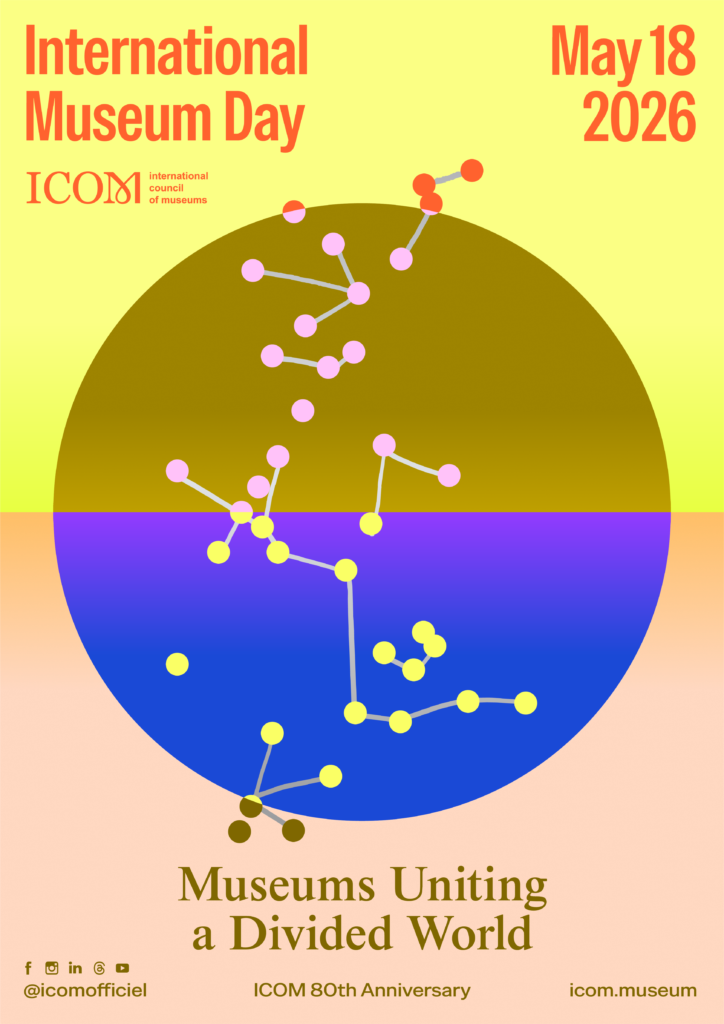
International Museum Day takes place each year on 18 May and it is organised by the International Council of Museums (ICOM) to highlight the important role museums play in learning, culture and community life. National museums offer excellent learning opportunities across history, science, art and culture and are often free to enter. Museum visits are an ideal way to support curriculum learning while keeping costs manageable.
When planning museum visits:
• Avoid peak times where possible and consider quieter days or early entry slots
• Use venue risk information published on museum websites
• Plan supervision arrangements that reflect the size of the venue and pupil age
• Identify meeting points and lost child procedures in advance
Considering public transport as a cost‑effective alternative
Travel costs can be a significant barrier to running visits. In many cases, public transport can be a safe and significantly cheaper alternative to hiring coaches, particularly for city‑based visits.
When considering public transport:
• Carry out a simple, route‑specific risk assessment rather than relying on generic transport risks
• Brief pupils clearly on behaviour expectations and staying with their group
• Use additional adults to support supervision during transitions
• Build in contingency time for delays or service changes
Key messages for EVCs and trip planners
• Use AAOLEV guidance to support proportionate decision making
• Busy environments such as cities and museums are manageable with good planning
• Public transport can reduce costs without compromising safety
• Preparation and pupil briefing are central to safe visits
Further support and guidance
EVCs should ensure that all educational visits are planned in line with employer guidance and local procedures, and that risk assessments are tailored to the visit, group and transport method.